
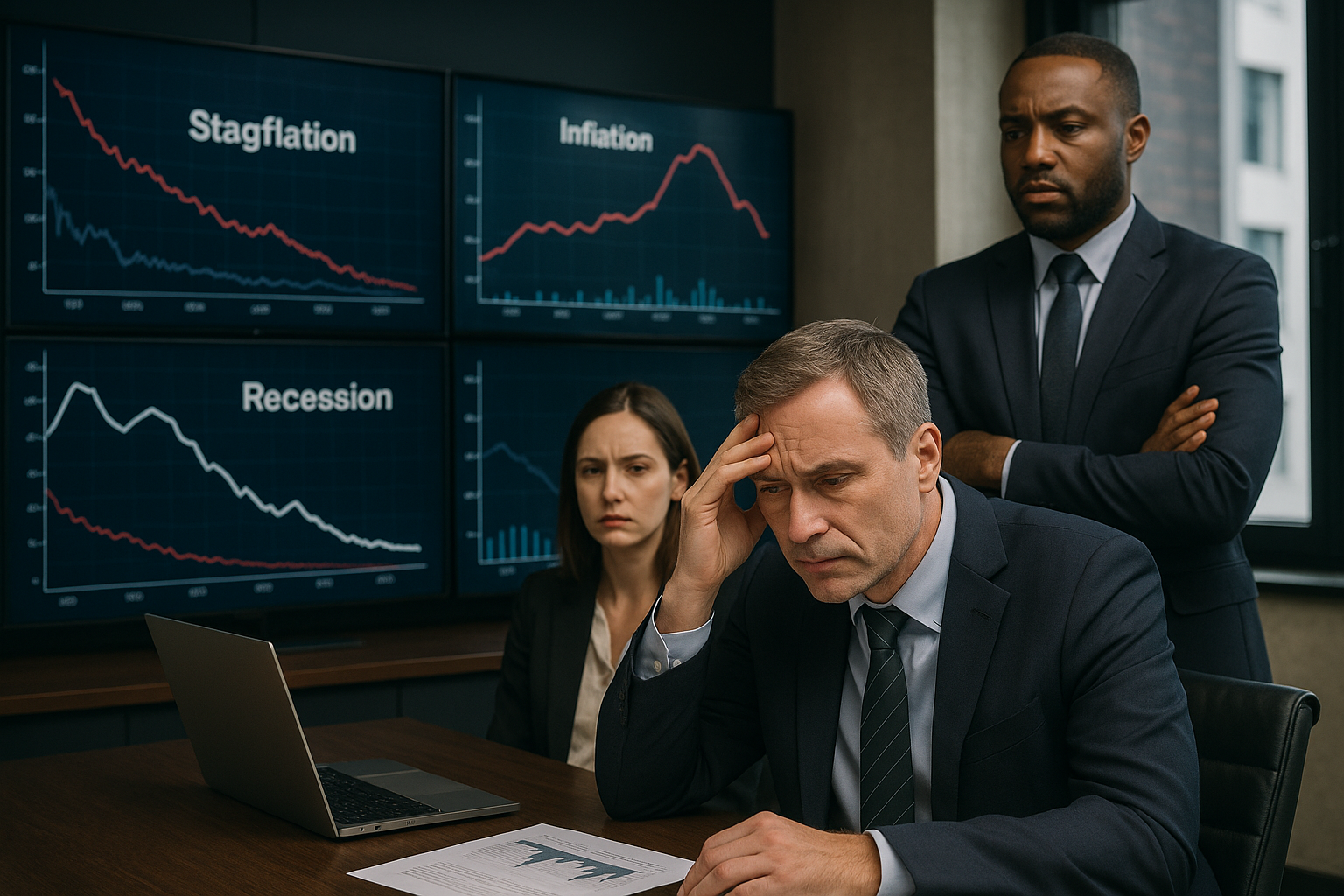
Understanding Stagflation: The Economic Double Whammy
Stagflation is one of the most challenging economic conditions a country can face. It combines two painful economic problems: stagnant economic growth (often with high unemployment) and persistent inflation. The term itself is a blend of "stagnation" and "inflation," describing a scenario that economists once thought was impossible.
How Stagflation Defies Traditional Economics
For decades, economists believed in the Phillips Curve, which suggested an inverse relationship between inflation and unemployment. Simply put, when unemployment was high, inflation should be low, and vice versa. Stagflation shattered this assumption.
During normal economic conditions:
- Recession: High unemployment, low inflation
- Economic boom: Low unemployment, higher inflation
- Stagflation: High unemployment AND high inflation
This combination creates a policy nightmare because traditional tools to fight one problem typically worsen the other.
The 1970s: Stagflation's Infamous Debut
The most famous example of stagflation occurred in the United States during the 1970s. Between 1973 and 1975, unemployment rose from 4.9% to 8.5%, while inflation peaked at over 11%. This period taught economists and policymakers that their traditional models were incomplete.
Key triggers included:
- Oil price shocks: OPEC's oil embargo quadrupled oil prices
- Supply chain disruptions: Higher energy costs rippled through the economy
- Wage-price spiral: Workers demanded higher wages to match rising costs, pushing prices even higher
What Causes Stagflation?
Supply-Side Shocks
The most common cause is a sudden increase in the cost of essential goods, particularly energy. When oil prices spike, transportation and production costs rise across virtually every sector of the economy.
Monetary Policy Mistakes
Poor monetary policy decisions can create stagflation. If central banks print too much money while the economy faces supply constraints, prices rise without corresponding economic growth.
Structural Economic Problems
Rigid labor markets, excessive regulation, or declining productivity can contribute to stagflation by making it difficult for the economy to adjust to changing conditions.
Why Stagflation Matters to You
For Consumers
- Purchasing power erosion: Your money buys less while job security decreases
- Investment challenges: Traditional safe havens like bonds may lose value
- Budgeting difficulties: Essential goods become more expensive while income growth stagnates
For Businesses
- Margin compression: Rising input costs can't easily be passed to cash-strapped consumers
- Investment uncertainty: Companies delay expansion due to unclear economic conditions
- Hiring freezes: Businesses become reluctant to add workers despite labor shortages in some sectors
How Policymakers Fight Stagflation
Combating stagflation requires careful coordination between monetary and fiscal policy:
Monetary Policy: Central banks face a dilemma. Raising interest rates can fight inflation but worsen unemployment. The Federal Reserve under Paul Volcker famously chose to prioritize inflation control in the early 1980s, accepting severe recession as the cost.
Fiscal Policy: Governments can target supply-side improvements through:
- Infrastructure investment
- Regulatory reform
- Tax incentives for productivity-enhancing investments
Protecting Yourself During Stagflation
- Diversify investments: Consider inflation-protected securities, commodities, or real estate
- Focus on essential skills: Invest in education and skills that remain valuable during economic uncertainty
- Build emergency reserves: Maintain larger cash reserves to weather potential job loss
- Consider fixed-rate debt: Lock in current interest rates before they potentially rise
The Bottom Line
Stagflation represents a unique economic challenge that defies simple solutions. Understanding this phenomenon helps you recognize warning signs and prepare accordingly. While stagflation is relatively rare, recent supply chain disruptions and inflation concerns have renewed interest in this economic concept. By staying informed and maintaining flexible financial strategies, you can better navigate these challenging economic waters.