
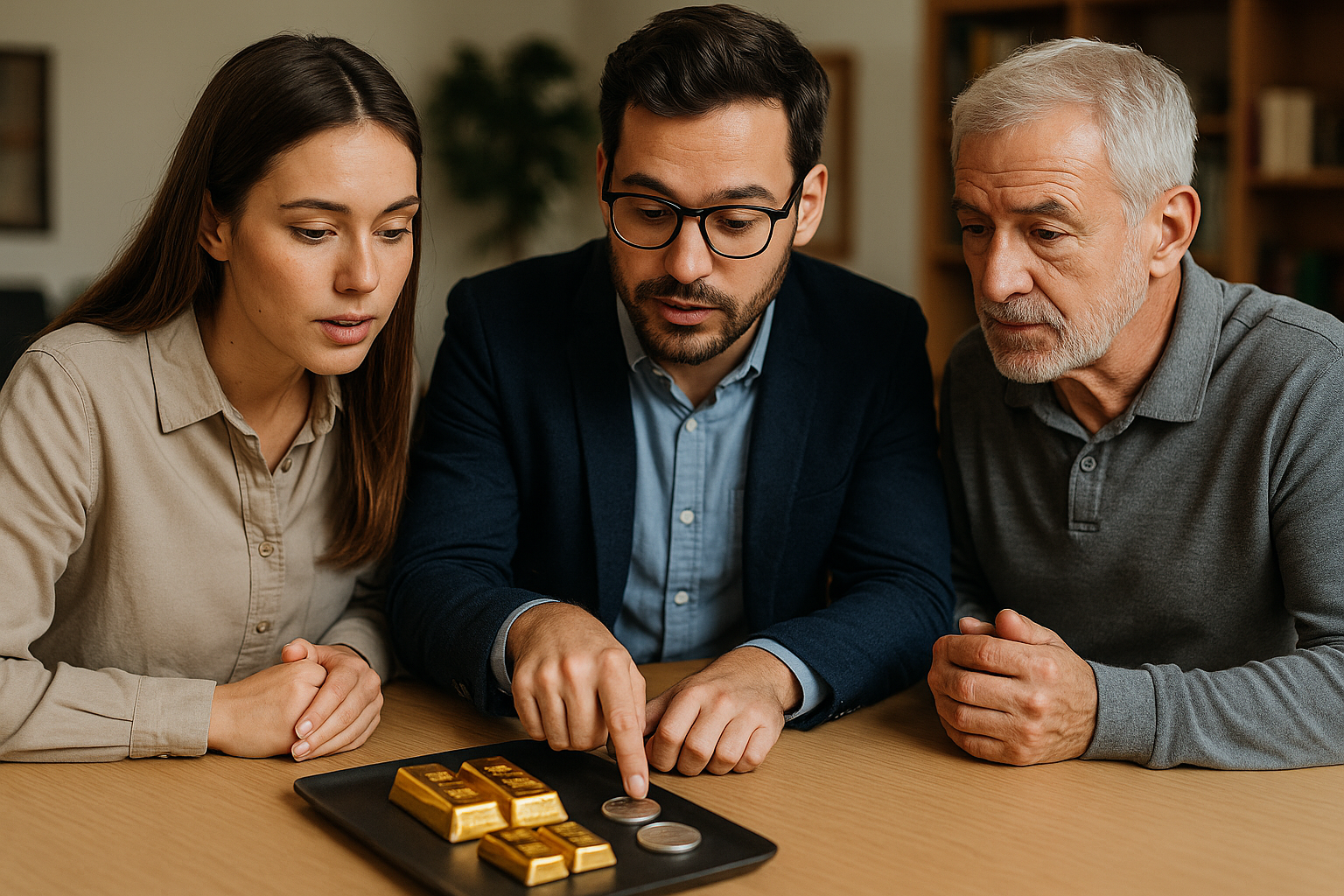
How to Spot Fake Gold and Silver: Essential Tests for Precious Metals
With precious metals reaching significant values, counterfeiters have become increasingly sophisticated in creating fake gold and silver products. Whether you're buying coins, bars, or jewelry, knowing how to authenticate precious metals is crucial for protecting your investment. This guide will teach you practical methods to identify genuine gold and silver without expensive equipment.
Understanding Common Counterfeiting Methods
Counterfeiters use several approaches to create fake precious metals. Gold-plated items feature a thin layer of real gold over a base metal like copper or brass. Tungsten-filled bars are particularly concerning because tungsten has a similar density to gold, making detection more challenging. Alloy substitution involves using cheaper metals like brass or bronze that can mimic gold's appearance when polished.
For silver, common fakes include silver-plated copper, aluminum pieces, and pewter substitutes. Understanding these methods helps you know what to look for during authentication.
Visual and Physical Inspection Techniques
Color and Finish Assessment
Genuine gold maintains its color consistently throughout. Look for areas where the finish might be worn—if you see a different colored metal underneath, it's likely gold-plated. Real gold has a warm, rich yellow tone (for 24k) that doesn't tarnish or change color over time.
Silver should have a bright, white metallic luster. Be suspicious of items that appear too shiny or have a bluish tint, which often indicates cheaper alloys.
Weight and Density Evaluation
Precious metals are significantly denser than most substitutes. Gold is approximately 19.3 times heavier than water, while silver is about 10.5 times heavier. If an item feels lighter than expected for its size, investigate further.
Density test method: Weigh the item, then measure how much water it displaces when fully submerged. Divide weight by volume to calculate density. Results significantly different from expected values indicate potential counterfeits.
Examining Hallmarks and Stamps
Legitimate precious metals typically feature hallmarks indicating purity. Gold items should show stamps like "24k," "18k," or "14k" for karat gold, or "999" for fine gold. Silver items often display "925" (sterling silver) or "999" (fine silver).
However, be aware that counterfeiters often add fake stamps. Verify that stamps are crisp, properly positioned, and consistent with the item's supposed origin.
Simple At-Home Tests
The Magnet Test
Both gold and silver are non-magnetic metals. Using a strong neodymium magnet (available at hardware stores), test your item. If it's attracted to the magnet, it contains ferrous metals and isn't pure precious metal.
Important note: This test isn't foolproof, as many non-precious metals are also non-magnetic. Consider it a preliminary screening tool rather than definitive proof.
The Ice Test for Silver
Silver has exceptional thermal conductivity. Place an ice cube on your silver item—it should melt noticeably faster than ice on other surfaces. This works best with larger silver pieces like bars or substantial coins.
The Skin Test
Fake gold often contains copper or other metals that can turn skin green when worn. While not immediate, wearing suspected gold jewelry for several hours can reveal discoloration on your skin, indicating it's not pure gold.
Sound Testing Methods
The Ring Test
Genuine silver produces a distinctive ringing sound when struck. Drop a silver coin onto a hard surface—authentic silver creates a clear, bell-like ring that sustains for 1-2 seconds. Fake silver typically produces a duller, shorter sound.
This method works best with coins and small bars. Larger items may not produce clear results due to their mass.
When to Seek Professional Authentication
Consider professional testing when:
- Purchasing high-value items
- Visual inspection reveals inconsistencies
- Multiple home tests produce conflicting results
- Items lack proper documentation
Electronic gold testers and X-ray fluorescence (XRF) analyzers provide accurate composition analysis but require professional operation.
Key Takeaways for Buyers
- Combine multiple tests: Never rely on a single authentication method
- Buy from reputable dealers: Established dealers with good reputations reduce counterfeit risk
- Request documentation: Legitimate precious metals often include certificates of authenticity
- Trust your instincts: If something seems too good to be true, investigate thoroughly
- Learn the market: Understanding current precious metal prices helps identify suspiciously cheap offers
By mastering these identification techniques, you'll significantly reduce your risk of purchasing counterfeit precious metals and can invest with greater confidence.