
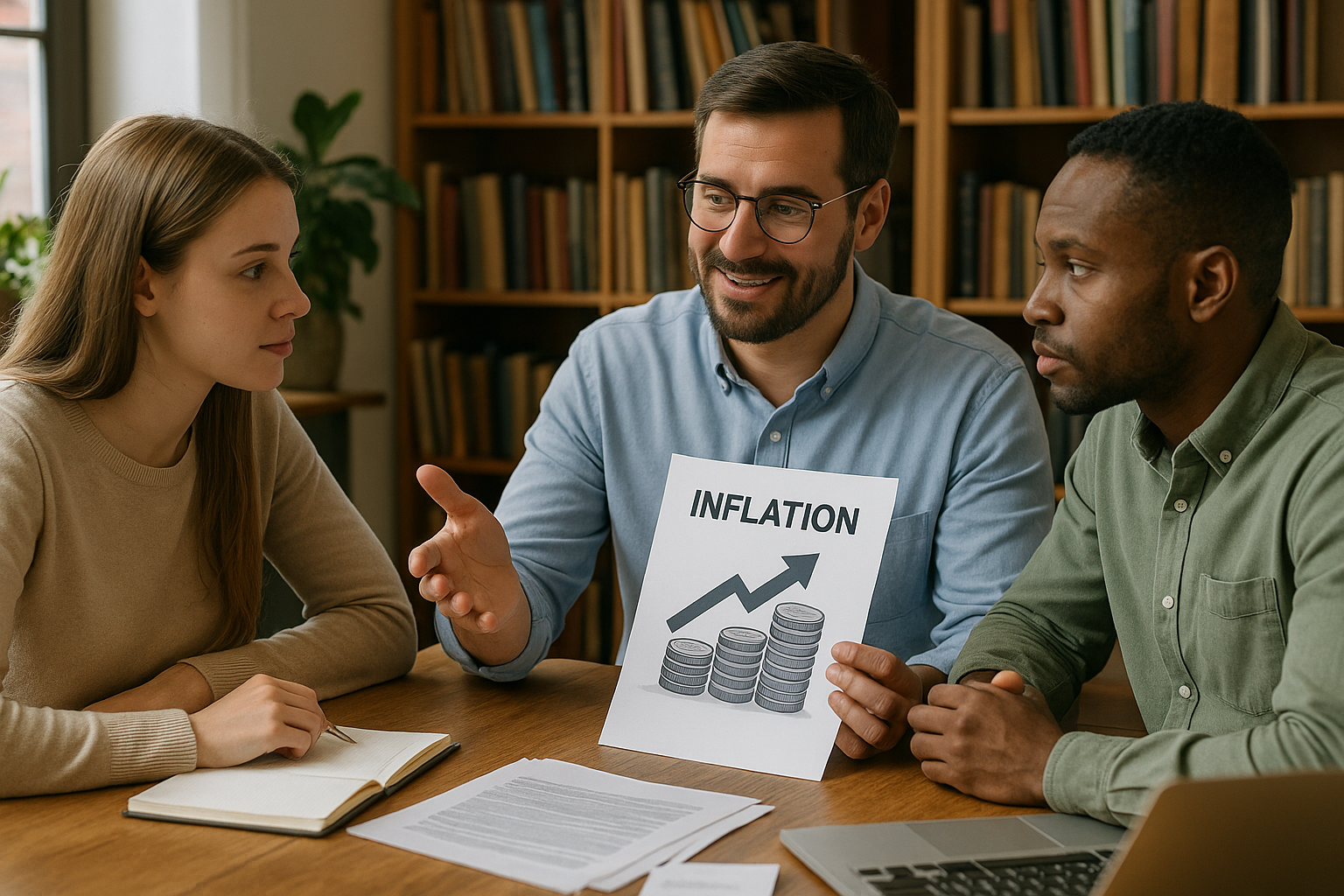
What Is Inflation?
Inflation is the gradual increase in the prices of goods and services over time. When inflation occurs, each dollar you own buys less than it did before. Think of it as the slow erosion of your money's purchasing power.
For example, if inflation runs at 3% annually, something that costs $100 today would cost $103 next year. While this might seem small, the effects compound over time, significantly impacting your financial life.
How Inflation Reduces Your Purchasing Power
Purchasing power refers to how much you can buy with your money. As prices rise due to inflation, your dollars stretch less far.
Consider this real-world example: In 1990, the average price of a gallon of milk was $2.78. By 2020, it had risen to approximately $3.50. If your income hadn't increased during this period, you'd effectively be able to afford less milk with the same amount of money.
This principle applies to everything from housing and healthcare to entertainment and transportation. Over decades, inflation can dramatically reduce what your money can buy.
The Impact on Your Savings Account
Traditional savings accounts are particularly vulnerable to inflation's effects. Most savings accounts offer interest rates between 0.1% and 1%, while inflation typically runs between 2-4% annually.
Here's what this means: If you have $10,000 in a savings account earning 0.5% interest while inflation runs at 3%, you're effectively losing 2.5% of purchasing power each year. After ten years, your money would have the same buying power as about $7,800 today, despite growing to $10,511 in nominal terms.
This doesn't mean savings accounts are worthless—they provide security and liquidity for emergency funds. However, it's important to understand that money sitting in low-yield accounts loses value over time.
Effects on Different Types of Debt
Inflation can actually benefit borrowers with fixed-rate debt. When you have a fixed-rate mortgage or loan, inflation makes your debt easier to repay over time.
For instance, if you have a 30-year mortgage with a 4% fixed rate, and inflation averages 3% annually, you're essentially paying back the loan with "cheaper" dollars as time progresses. Your mortgage payment remains the same, but inflation typically drives wages higher, making the payment a smaller percentage of your income.
Variable-rate debt, however, often increases with inflation as lenders adjust rates to maintain their real returns.
How Inflation Affects Investments
Different investments respond to inflation in various ways:
Stocks: Historically, stocks have provided better inflation protection than bonds or cash. Companies can often raise prices to match inflation, maintaining their real value. However, stocks can be volatile in the short term.
Bonds: Fixed-rate bonds suffer during inflationary periods because their payments lose purchasing power. A 10-year bond paying 2% annual interest becomes less attractive if inflation rises to 4%.
Real Estate: Property often serves as an inflation hedge since real estate values and rental income typically rise with inflation.
Commodities: Physical goods like gold, oil, and agricultural products often maintain value during inflationary periods since their prices frequently rise alongside general price levels.
Protecting Your Money from Inflation
While you can't eliminate inflation's effects entirely, you can take steps to minimize the impact:
-
Diversify your investments: Don't keep all your long-term money in savings accounts. Consider a mix of stocks, real estate, and other assets that historically outpace inflation.
-
Consider Treasury Inflation-Protected Securities (TIPS): These government bonds adjust their principal value based on inflation rates.
-
Invest in yourself: Developing new skills can help increase your earning power, which typically grows faster than inflation over time.
-
Review your budget regularly: Track how inflation affects your expenses and adjust your financial plans accordingly.
-
Maintain some fixed-rate debt: If you can secure low fixed-rate loans, inflation works in your favor by making repayment easier over time.
The Bottom Line
Inflation is a persistent economic force that gradually erodes your money's value. Understanding how it works helps you make informed financial decisions. While moderate inflation (2-3% annually) is normal and even healthy for the economy, it requires you to think strategically about saving and investing.
The key is maintaining a balanced approach: keep enough cash for emergencies and short-term needs, but ensure your long-term wealth is positioned to grow faster than inflation through diversified investments and strategic financial planning.