
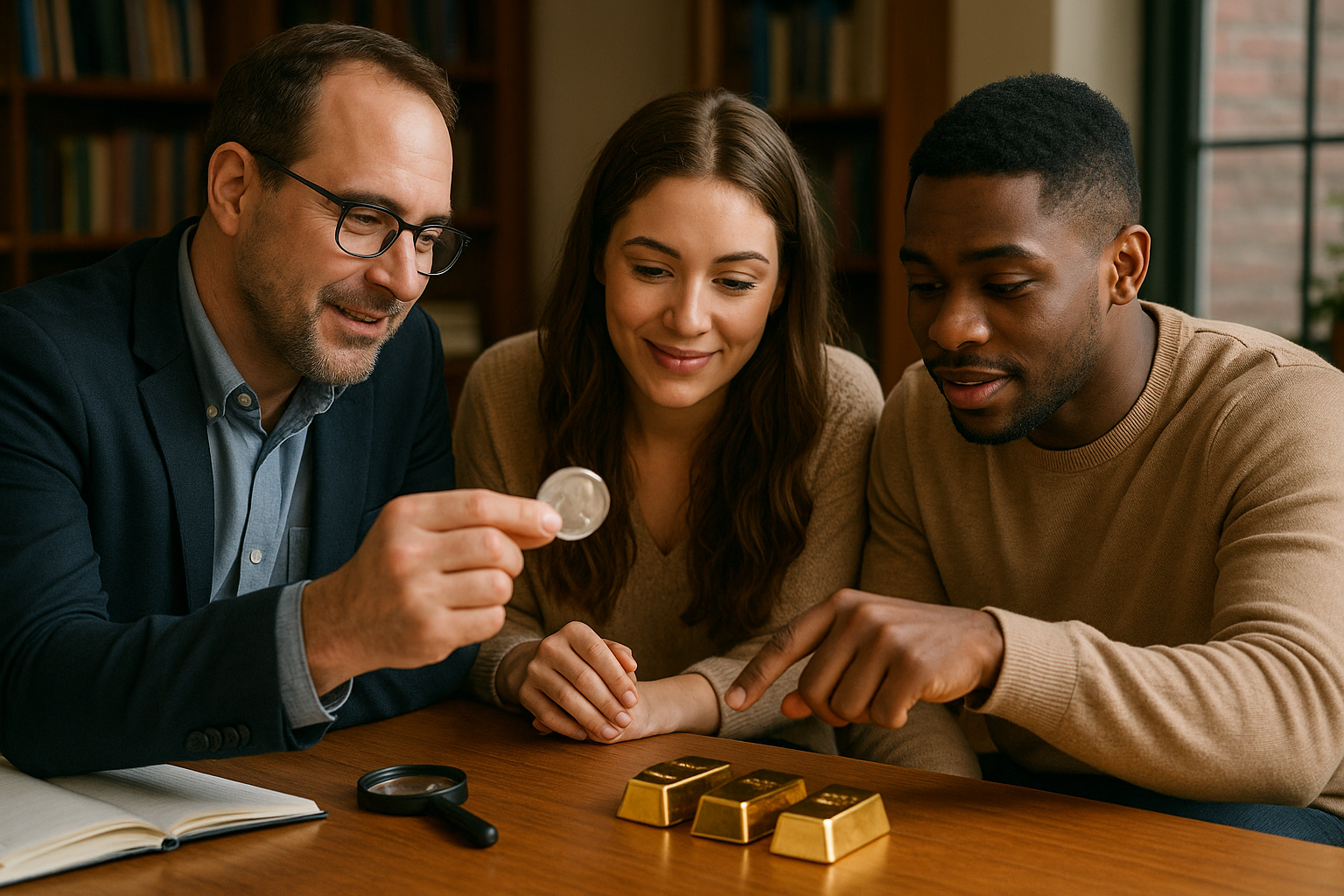
Understanding the Counterfeit Precious Metals Problem
As precious metals like gold and silver maintain their value as investment assets, counterfeiters have become increasingly sophisticated in creating fake products. Whether you're purchasing coins, bars, or jewelry, knowing how to verify authenticity protects your investment and prevents costly mistakes.
Counterfeit precious metals range from obvious fakes to sophisticated replicas that fool even experienced buyers. Understanding basic detection methods empowers you to make informed purchasing decisions and verify existing holdings.
Visual Inspection Techniques
Color and Luster Assessment
Genuine gold maintains a consistent, warm yellow color that doesn't tarnish or fade. Fake gold often appears too bright, too dull, or shows green or black discoloration around edges where plating wears thin. Real silver displays a brilliant white metallic luster, while fakes may appear grayish or show rainbow-like tarnishing patterns.
Weight and Density Evaluation
Authentic gold and silver are exceptionally dense metals. Gold weighs approximately 19.3 grams per cubic centimeter, while silver weighs 10.5 grams per cubic centimeter. A genuine piece should feel substantially heavier than expected compared to similarly sized items made from common metals.
Counterfeiters often use lighter metals like copper, aluminum, or tungsten cores. While tungsten closely matches gold's density, most other substitute materials create noticeable weight differences.
Surface Quality and Markings
Examine hallmarks, purity stamps, and mint marks closely. Genuine pieces feature crisp, clear markings with consistent depth and spacing. Counterfeit markings often appear blurry, uneven, or incorrectly positioned. Research authentic markings for your specific item type before purchasing.
Simple At-Home Tests
The Magnet Test
Both gold and silver are non-magnetic metals. Using a strong neodymium magnet (available at hardware stores), test your item's magnetic properties. If the piece is strongly attracted to the magnet, it contains significant amounts of ferromagnetic metals like iron or nickel.
Important caveat: Passing the magnet test doesn't guarantee authenticity, as many non-magnetic metals can be used in counterfeits. This test only eliminates obvious fakes containing magnetic materials.
The Ice Test for Silver
Silver has exceptional thermal conductivity. Place an ice cube on a suspected silver item at room temperature. Genuine silver will cause the ice to melt noticeably faster than on other surfaces. This occurs because silver rapidly conducts heat from the surrounding air to the ice.
The Ceramic Test
Gently scratch your gold item against an unglazed ceramic tile. Real gold leaves a golden yellow streak, while fake gold typically produces a black streak or no mark at all. This test works because gold is softer than ceramic but harder than gold-plated materials.
Warning: This test causes minor surface damage, so only use it on inconspicuous areas or items you're certain about testing.
Professional Verification Methods
Acid Testing
Professional dealers use acid solutions of varying strengths to test precious metal purity. Different karat levels of gold require different acid concentrations. Acid testing involves making a small scratch and applying acid drops to observe color reactions.
While acid test kits are commercially available, they contain dangerous chemicals requiring proper safety equipment and disposal methods. Consider this method only if you're comfortable handling hazardous materials.
Electronic Testing
Electronic precious metal testers measure electrical conductivity to determine authenticity and purity. These devices are more expensive but provide non-destructive testing with immediate digital results.
Professional Appraisal
For valuable items or large purchases, professional appraisal offers the most reliable verification. Certified appraisers use specialized equipment including X-ray fluorescence (XRF) analyzers that provide precise composition analysis without damaging the item.
Red Flags When Purchasing
Avoid deals that seem too good to be true, especially from unestablished sellers. Purchase from reputable dealers who offer guarantees and return policies. Be suspicious of sellers reluctant to allow testing or inspection.
Online marketplaces require extra caution. Research seller ratings, return policies, and authentication guarantees before purchasing precious metals from unknown sources.
Protecting Your Investment
Document your precious metals with photographs, weight measurements, and purchase receipts. Store items securely and consider periodic professional verification for high-value holdings.
Remember that detection methods continue evolving alongside counterfeiting techniques. Stay informed about new authentication technologies and emerging counterfeit trends in the precious metals market.
By combining multiple testing methods and purchasing from reputable sources, you can confidently build and maintain your precious metals investments while avoiding costly counterfeits.