
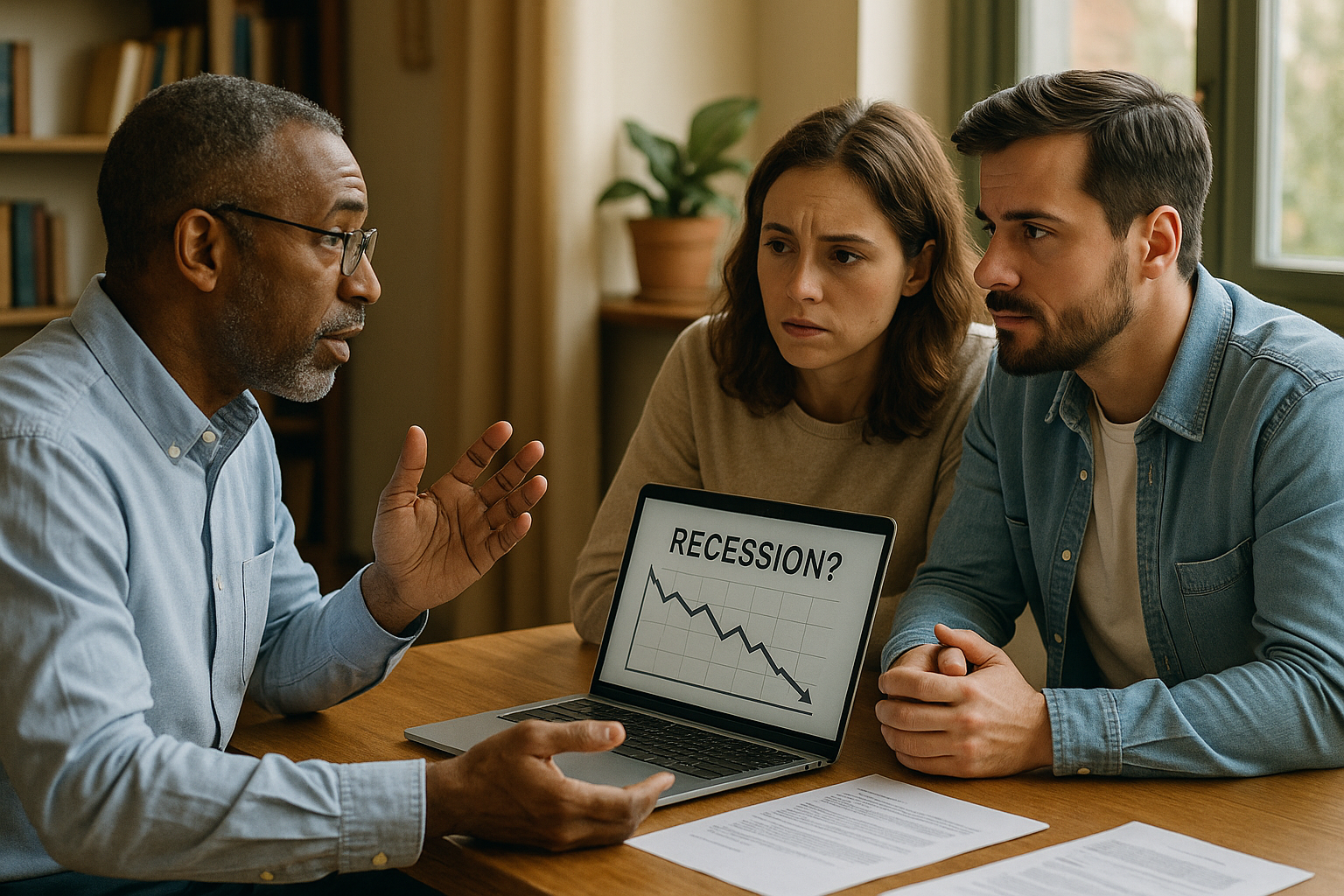
What Causes Recessions? Understanding Economic Downturns Explained Simply
A recession is a significant decline in economic activity that lasts for months or even years. While the technical definition involves two consecutive quarters of negative GDP (Gross Domestic Product) growth, recessions affect real people through job losses, reduced income, and decreased business activity. Understanding what causes these economic downturns can help you make better financial decisions and prepare for future uncertainty.
The Main Triggers of Recessions
Demand Shocks
A demand shock occurs when consumers suddenly reduce their spending. This can happen for various reasons:
- Consumer confidence drops: When people worry about the future, they spend less and save more
- Income reduction: Job losses or wage cuts mean less money to spend
- External events: Pandemics, natural disasters, or geopolitical tensions can drastically change spending patterns
For example, during the COVID-19 pandemic, lockdowns and health concerns caused consumers to stop spending on travel, dining, and entertainment, triggering a sharp recession in 2020.
Supply Shocks
A supply shock disrupts the production and delivery of goods and services. Common causes include:
- Energy price spikes: Sudden increases in oil prices raise costs across the economy
- Supply chain disruptions: Natural disasters or conflicts can break critical production links
- Labor shortages: Strikes or demographic changes can limit available workers
The 1973 oil crisis exemplifies a supply shock, when oil prices quadrupled, leading to inflation and recession as businesses faced higher costs.
Financial System Failures
When banks and financial institutions face severe problems, credit becomes scarce, and economic activity slows. This happens through:
- Credit crunches: Banks stop lending, making it hard for businesses to invest and consumers to buy homes or cars
- Asset bubbles bursting: When overvalued assets (like housing in 2008) suddenly lose value, it creates widespread losses
- Bank failures: When major financial institutions collapse, it disrupts the entire economy
The 2008 Great Recession began when the housing bubble burst, causing massive losses for banks and a severe credit crunch.
Economic Imbalances That Lead to Recessions
Overheating Economy
Sometimes an economy grows too fast, creating unsustainable conditions:
- Inflation pressures: Rapid growth can cause prices to rise too quickly
- Asset bubbles: Speculation drives prices far above realistic values
- Resource constraints: Labor and materials become scarce and expensive
Central banks often raise interest rates to cool down an overheating economy, but this can sometimes trigger a recession.
Debt Accumulation
Excessive borrowing by consumers, businesses, or governments can create fragility:
- Consumer debt: When households become over-leveraged, they must reduce spending to pay down debt
- Corporate debt: Highly indebted companies struggle when economic conditions worsen
- Government debt: Excessive public debt can limit government's ability to respond to crises
External Factors and Global Connections
Modern economies are interconnected, so problems can spread quickly:
- International trade disruptions: Trade wars or global supply issues affect domestic economies
- Currency crises: Rapid changes in exchange rates can hurt import/export businesses
- Global financial contagion: Problems in major economies spread to trading partners
Practical Takeaways for Individuals
Build Financial Resilience
- Emergency fund: Keep 3-6 months of expenses in savings to weather job loss or income reduction
- Diversified income: Develop multiple income streams when possible
- Manageable debt: Avoid excessive borrowing, especially variable-rate debt
Stay Informed
- Monitor economic indicators: Watch unemployment rates, GDP growth, and inflation trends
- Understand your industry: Some sectors are more recession-prone than others
- Follow policy changes: Central bank decisions and government policies can signal economic shifts
Investment Considerations
- Long-term perspective: Recessions are temporary, but markets generally recover over time
- Asset allocation: Maintain appropriate diversification based on your risk tolerance
- Avoid panic decisions: Emotional responses during downturns often lead to poor financial choices
Conclusion
Recessions result from complex interactions between consumer behavior, business cycles, financial systems, and external shocks. While predicting exactly when recessions will occur is nearly impossible, understanding their causes helps you prepare financially and make informed decisions. Remember that recessions, while painful, are a normal part of economic cycles, and economies typically emerge stronger after addressing underlying imbalances.