
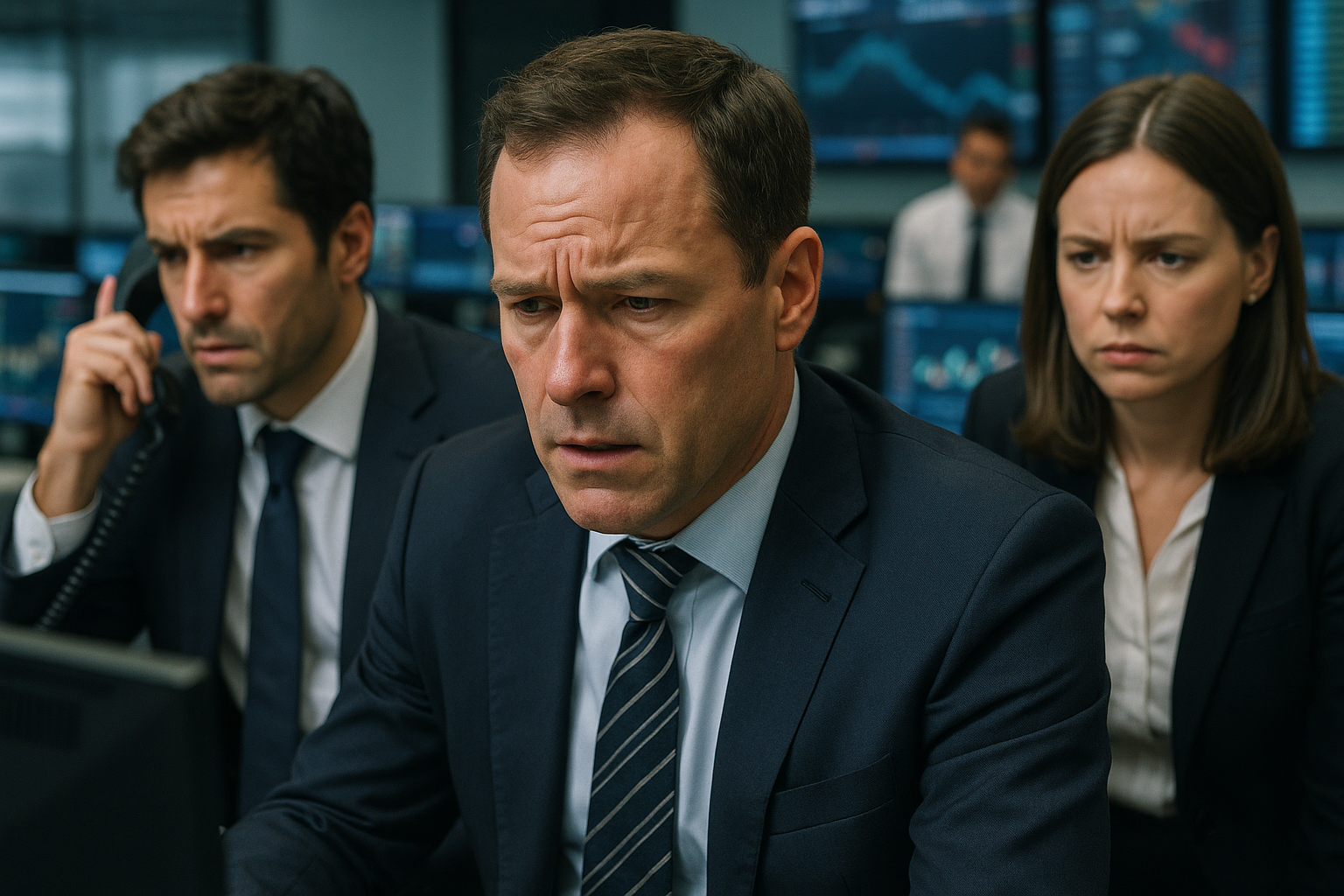
Silver Extends Losses After Historic January Crash
Silver continued its volatile trajectory this week, trading at $74.43 per ounce as of Tuesday morning, down 3.29% from the previous session and a staggering 17.4% below its price just one month ago.
The decline follows one of the most dramatic sell-offs in precious metals history. On January 29th, silver hit an all-time high of nearly $122 per ounce before plummeting approximately 28% in a single day—the biggest one-day drop for silver futures since 1980.
What Triggered the Precious Metals Rout
The primary catalyst was President Donald Trump's nomination of Kevin Warsh as the next Federal Reserve Chair. Markets interpreted the pick as a hawkish signal favoring tighter monetary policy and a stronger U.S. dollar, making non-yielding assets like gold and silver less attractive to investors.
Adding fuel to the fire, the CME Group raised margin requirements on metals contracts by 2-4 percentage points, triggering forced liquidations among leveraged traders.
"Precious metals prices collapsed simply because they had already gone parabolic in the previous week," explained Mark Matthews at Bank Julius Baer. "Once profit-taking started, it just snowballed."
Gold Also Feeling the Pain
Gold hasn't been immune to the turbulence. After touching a record high near $5,595 per ounce in late January, spot gold shed approximately 10% during the crash and has struggled to regain momentum. Recent trading has seen gold hovering around the $4,900 level.
Despite the pullback, both metals remain dramatically higher than a year ago. Silver's year-over-year gain stands at nearly 130%, while gold has approximately doubled in value over the same period.
Analysts Remain Bullish Long-Term
Wall Street analysts are treating the sell-off as a buying opportunity rather than the end of the bull market.
JP Morgan expects gold to reach $6,300 per ounce by year-end, representing a potential 30% gain from current levels. The bank cites continued strong investor demand as the primary driver.
UBS forecasts gold hitting $6,200 by next month before settling at $5,900 by year-end. For silver, UBS expects a return to the $100 threshold in March before falling back to $85 by December.
Goldman Sachs maintains a more conservative $5,400 gold price target for 2026.
UBS strategists characterized the recent volatility as "normal volatility within a continuing structural uptrend, rather than the end of the bull market."
Underlying Fundamentals Unchanged
The factors that drove precious metals to record highs remain largely intact: economic uncertainty, geopolitical tensions, anticipated dollar depreciation, and central banks—particularly China and Turkey—continuing to accumulate gold reserves to reduce dependence on the dollar.
A constrained supply picture, combined with rising industrial demand for silver in electronics and solar panels, provides additional support for the white metal.
What Investors Should Watch
For retirement savers and precious metals investors, the key question is whether this correction represents a healthy consolidation or the beginning of a more sustained downturn.
Given the dramatic gains of 2025—when silver rose approximately 150% and gold climbed about 65%—some pullback was arguably overdue. The fundamental case for precious metals as portfolio diversifiers and inflation hedges remains compelling, particularly in an environment of elevated government debt and monetary policy uncertainty.
Sources: Fortune, Al Jazeera, CNBC, JP Morgan, UBS, Bank Julius Baer, Goldman Sachs