
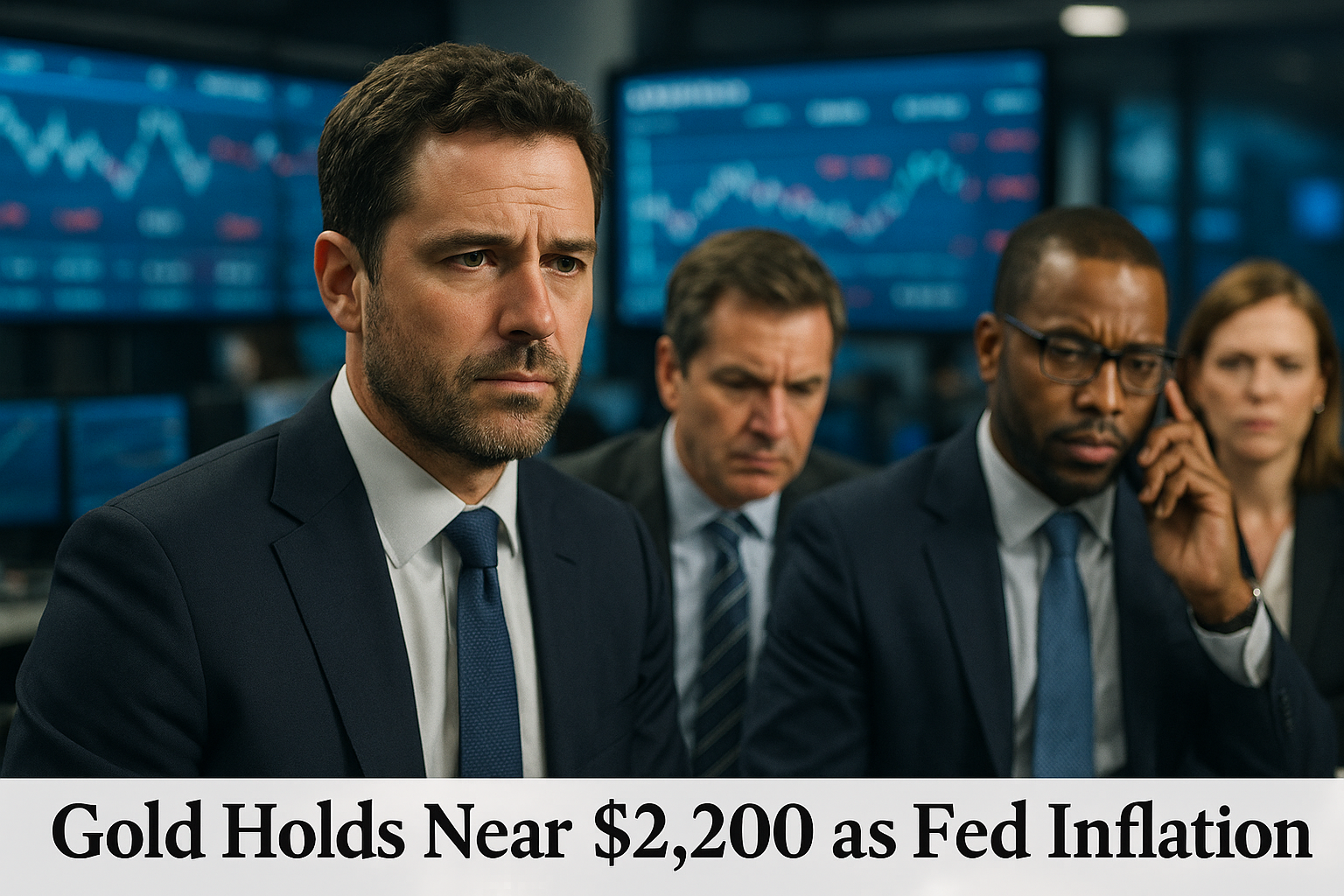
Gold Struggles to Hold Key Level
Gold prices are experiencing significant selling pressure this week as investors grapple with persistent inflation concerns that could keep the Federal Reserve on the sidelines longer than anticipated. The yellow metal is struggling to hold the line near $5,200 per ounce as market participants await fresh Consumer Price Index (CPI) data.
According to analysts at Kitco, "the gold market is struggling to hold the line near $5,200 as investors continue to focus on stubborn inflation, which could force the Federal Reserve to maintain its neutral monetary policy longer than expected."
Silver Retreats After Historic Rally
Silver prices have pulled back to $85.39 per ounce in early U.S. trading, with profit-taking weighing on the market after an extraordinary rally. Despite the recent pullback, silver has delivered remarkable returns for investors, climbing more than 175% over the past year from $32.10 per ounce in March 2025.
The metal reached $88.38 per ounce on March 10, marking levels unseen in more than a decade. Fortune reports that "a mix of constrained supply and rising industrial demand, plus investor demand, has pushed silver prices higher this year."
Geopolitical Premium Fading
Much of the risk premium that had been supporting precious metals prices appears to be dissipating. StoneX analysts note that geopolitical tensions from recent Middle East events are "largely priced in," with Federal Reserve independence now representing the biggest source of uncertainty for markets.
Comments from President Trump suggesting a possible resolution to the West Asia crisis caused crude oil prices to crash nearly 10% in a single session earlier this week, reducing safe-haven flows into gold and silver.
Fed Remains on Hold
The Federal Reserve maintained its benchmark interest rate at 3.5% to 3.75% at its January meeting, pausing its rate-cutting cycle after three reductions in 2025. Two of the committee's 12 voting members dissented, preferring a quarter-point cut.
Inflation data shows the CPI rose 2.7% over the 12 months ending in December, while the Fed's preferred measure—the Personal Consumption Expenditure (PCE) price index—came in at 2.9% annualized, still above the central bank's 2% target.
According to J.P. Morgan strategists, markets see low odds of a Fed rate cut at the March meeting, though they still expect one reduction before year-end.
Central Bank Buying Continues
Despite price volatility, institutional demand for gold remains robust. The World Gold Council reports that gold investment demand continues to strengthen, while China's central bank added to its reserves for the 16th consecutive month in February—even as prices hover near record levels.
This persistent central bank accumulation suggests that long-term structural demand for gold remains intact, potentially providing a floor for prices even as short-term headwinds emerge.
What Investors Should Watch
Looking ahead, the upcoming CPI release will be critical for determining the near-term direction of precious metals. Higher-than-expected inflation readings could further delay Fed rate cuts, potentially weighing on gold and silver prices. Conversely, any signs of cooling inflation could reignite expectations for monetary easing and support the precious metals complex.
Fed Chairman Jay Powell's term expires in May 2026, adding another layer of uncertainty as potential leadership changes could shift the central bank's policy approach.
Sources: Kitco, Fortune, Federal Reserve, J.P. Morgan, World Gold Council