
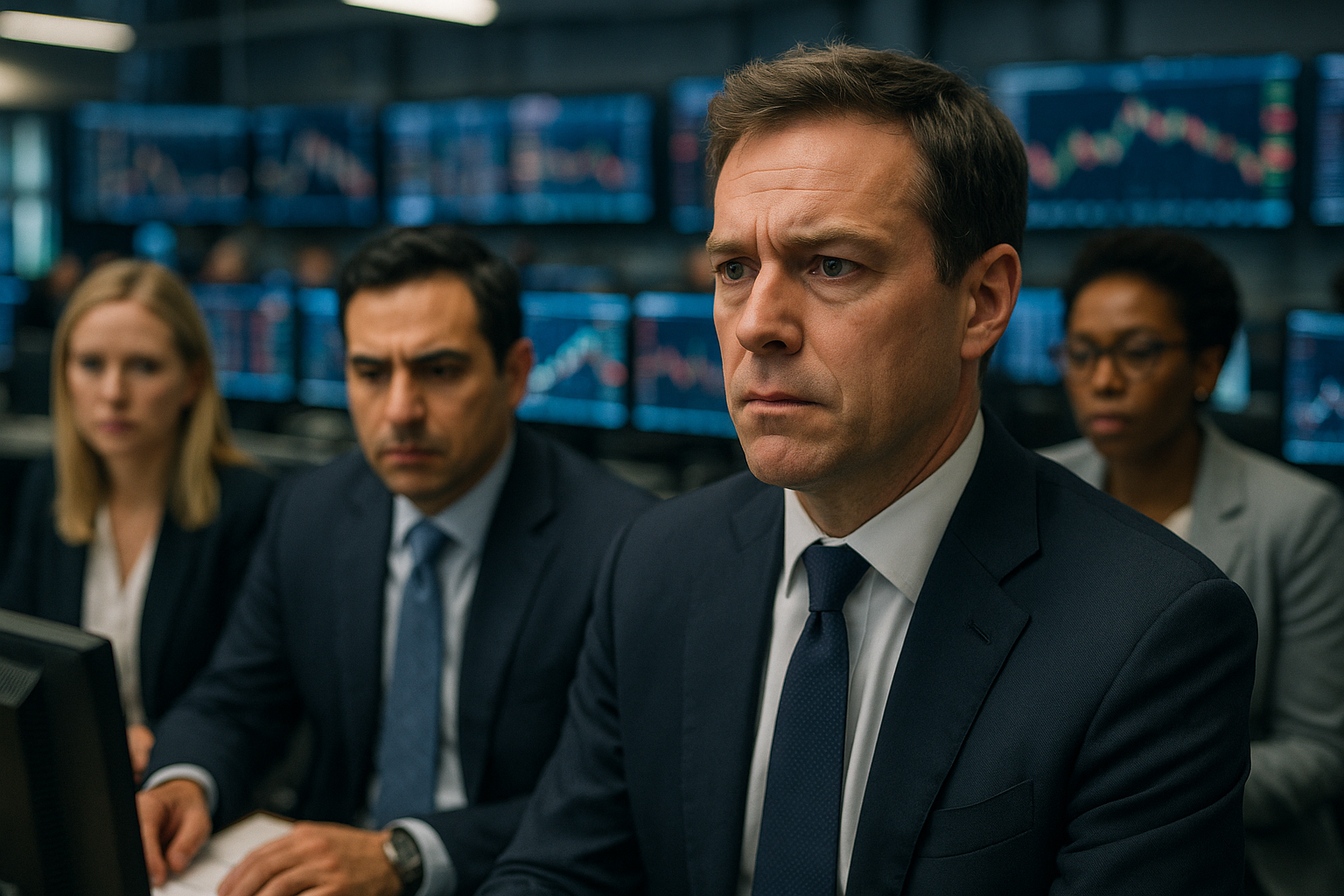
Gold prices extended their sharp decline on Friday, capping off the worst week for the precious metal since September 2011 as investors grappled with hawkish central bank signals and a strengthening U.S. dollar.
A Historic Weekly Rout
Gold futures tumbled 0.7% on Friday to settle near $4,575 per ounce, bringing the week's total losses to a staggering 9.6%. The yellow metal is now on track for its worst monthly performance since October 2008, a dramatic reversal after touching record highs above $5,000 earlier this year.
Silver fared even worse, with futures plunging more than 2% to $69.66—the lowest closing level since December. The white metal recorded its third consecutive losing week with a decline exceeding 14% and has now turned negative for 2026.
Central Banks Send Clear Message
The synchronized policy decisions from the world's major central banks this week delivered a unified message that rattled precious metals markets. The Federal Reserve, European Central Bank, Bank of Japan, and Bank of England all held interest rates steady, signaling that elevated rates will persist longer than many investors had anticipated.
This "higher for longer" stance has pressured gold, which typically struggles when interest rates remain elevated because it offers no yield compared to bonds and other interest-bearing assets.
Dollar Strength Compounds Pressure
Adding to the headwinds, the U.S. Dollar Index pushed toward 99.6, gaining 0.4% on Friday. A stronger dollar makes gold more expensive for holders of other currencies, dampening international demand. Meanwhile, the benchmark 10-year Treasury yield climbed toward 4.39%, further reducing the appeal of non-yielding assets.
Positioning Flush, Not Trend Reversal
Market analysts characterized the selloff as a "positioning flush" rather than a fundamental trend reversal. After gold and silver's parabolic advance—with gold gaining 66% and silver surging 135% in 2025—crowded trades are unwinding as sentiment shifted.
The gold-to-silver ratio currently stands at 63:1, indicating silver remains relatively elevated despite absorbing heavier losses this week. Silver's additional exposure to industrial demand makes it more volatile during periods of economic uncertainty.
Year-to-Date Performance
Despite the brutal week, gold maintains a gain of approximately 4.6% for 2026, underscoring the magnitude of its earlier rally. Silver, however, has slipped into negative territory with a year-to-date loss of 6.9%.
Looking at the longer horizon, silver spot prices have risen an impressive 114.7% over the past year, climbing from $33.58 to current levels near $72 per ounce according to Fortune data.
What Comes Next
Market observers expect continued volatility as investors monitor developments in the Middle East conflict, which has driven oil prices toward $115 per barrel, and await further clarity on monetary policy direction. While a recovery toward higher levels cannot be ruled out, the combination of dollar strength and elevated interest rates may cap any near-term upside for precious metals.
Financial advisors continue to recommend maintaining precious metals exposure at approximately 10-15% of portfolios, with some noting that anticipated industrial demand—particularly in green technologies—could support silver prices over the medium term.
Sources: CNBC, GoldSilver.com, Fortune