
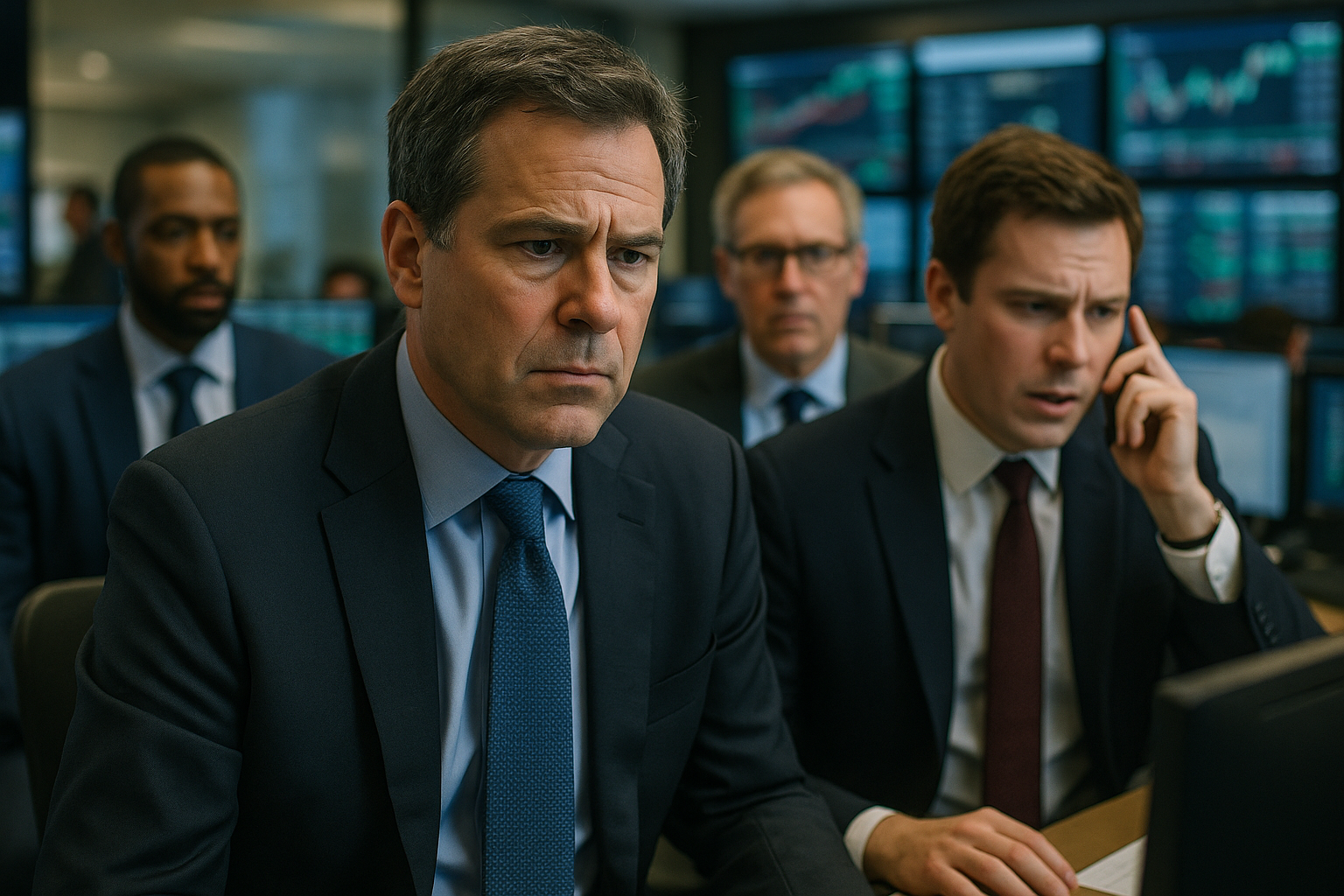
The Federal Reserve's preferred inflation gauge climbed to its highest level in nearly three years in April, delivering an unwelcome housewarming gift to new Fed Chair Kevin Warsh and reinforcing the bond market's bet that the next move in policy is more likely to be a hike than a cut.
The headline Personal Consumption Expenditures (PCE) price index rose 0.4% on the month and 3.8% from a year earlier, according to data released Thursday morning by the Bureau of Economic Analysis. That annual print — the hottest since May 2023 — is up from 2.4% as recently as February, underscoring how quickly the Iran war and energy shock have rewired the inflation picture. Core PCE, which excludes food and energy, rose 0.2% on the month and 3.3% on the year, in line with consensus.
Warsh's First Test
The report is the first to land on Warsh's desk since he was sworn in earlier this month, and it complicates his stated ambition to push the Fed toward a faster easing cycle. CBS News noted that the data shows "prices at highest in nearly 3 years," with wage gains being "wiped out by inflation" on Main Street despite the slightly cooler monthly reading.
Earlier this year the FOMC's dot plot had penciled in one rate cut for 2026. Markets are no longer buying it. According to CNBC, traders now expect the Fed to stay on hold until at least late 2026, and futures imply roughly a 50% probability that the next policy move will be a rate increase — possibly in early 2027.
Fed Governor Christopher Waller, once part of the dovish wing, said this week he would support removing the easing bias from the statement and "would not hesitate" to back a hike if inflation expectations became unanchored. Minneapolis Fed President Neel Kashkari struck a similar tone, warning that inflationary risks have moved higher since the last meeting.
Oil and the Hormuz Premium
The inflation report landed on the same morning that crude pushed higher on renewed Strait of Hormuz fears. Brent crude climbed roughly 2% to $96.28 a barrel and West Texas Intermediate added about 2% to $90.75, after U.S. forces launched a fresh wave of strikes on Iranian military sites overnight. Iran's Revolutionary Guard said it targeted a U.S. airbase at around 4:50 a.m. local time in response.
Energy is doing most of the heavy lifting in the headline number. Fox Business noted that inflation had been "ticking closer to the central bank's 2% goal" before the Iran war and tariff impacts derailed the trajectory. With core still running well above target, however, Warsh has little cover to argue the spike is purely transitory.
Market Reaction
Equities turned lower after digesting the print. The S&P 500 slipped 0.02% to 7,520.36, the Dow Jones Industrial Average fell 0.63%, and the Nasdaq Composite edged down 0.16%, according to TheStreet's market tracker. Tech earnings have continued to provide a floor for the AI trade, but the combination of a hot inflation print and a hotter Middle East kept buyers cautious into the long holiday weekend.
Benzinga summed up the dilemma facing the new chair: with headline PCE at 3.8% and energy costs still rising, "two concurrent price shocks" — tariffs and the Iran war — have boxed in the Fed's ability to ease, regardless of Warsh's reform agenda.
For now, the data leaves Warsh inheriting the same problem his predecessor faced, only worse: an inflation rate moving in the wrong direction, an oil market priced for disruption, and a market that has stopped believing rate cuts are coming.
Sources: CNBC, CBS News, Benzinga, Fox Business, Yahoo Finance, TheStreet, The Motley Fool