
Economic Headwinds Drive Renewed Interest in Precious Metals
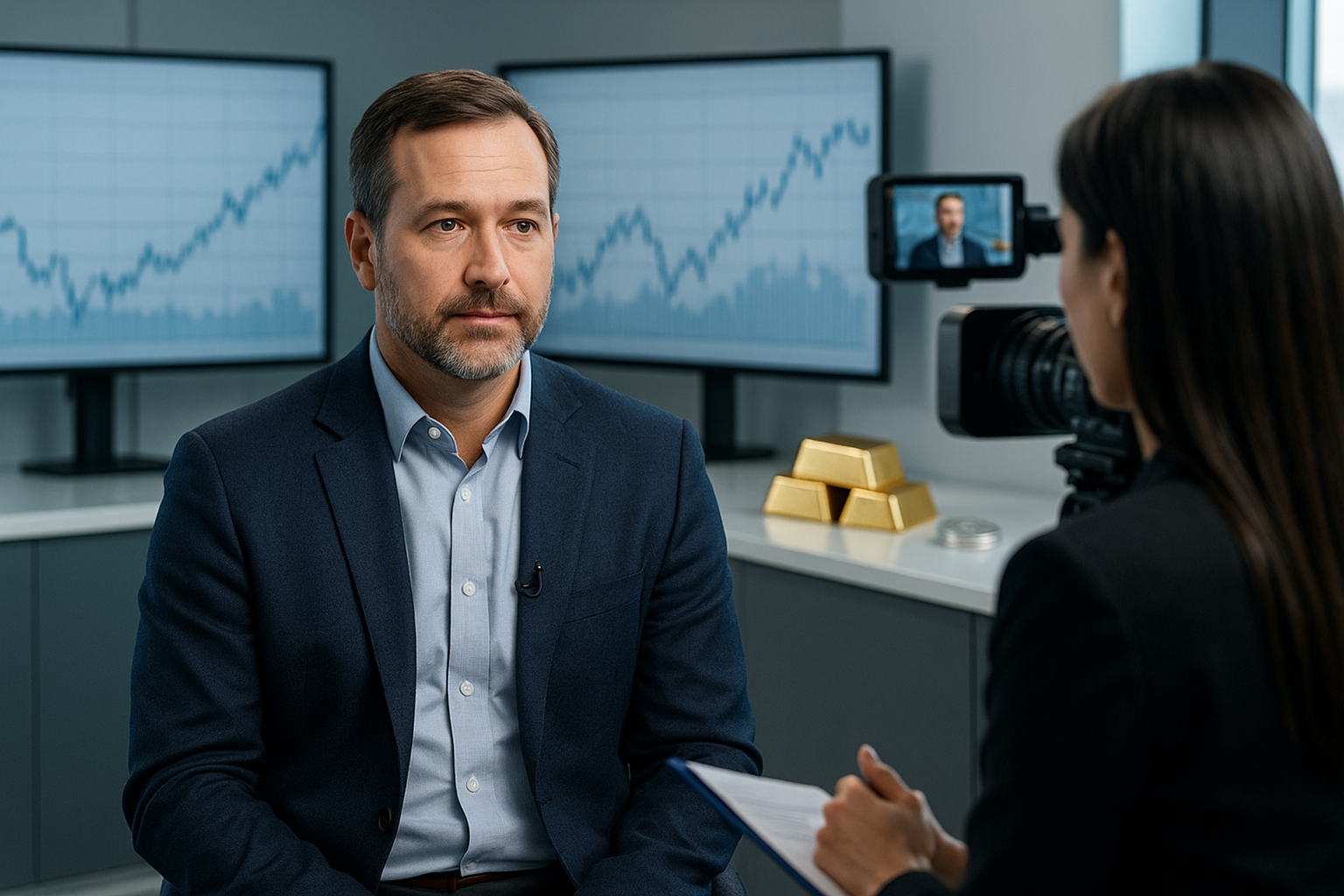
As global economic uncertainties continue to mount in 2025, investors are increasingly turning their attention to precious metals as a hedge against mounting geopolitical and monetary risks. In a recent comprehensive interview, Collin Plume, CEO of Noble Gold Investments, provided critical insights into how current macroeconomic trends—including tariff policies, accelerating de-dollarization efforts, and persistent supply chain challenges—are reshaping the landscape for gold and precious metals investments.
The Perfect Storm: Multiple Economic Pressures Converge
The current economic environment presents a confluence of factors that historically have driven investors toward safe-haven assets. Plume's analysis comes at a particularly relevant time, as trade tensions continue to influence global commerce while central banks worldwide reassess their relationships with the U.S. dollar.
Tariff policies have emerged as a significant market driver, creating ripple effects throughout international trade relationships and currency valuations. These trade barriers not only impact the cost of goods but also influence currency flows and central bank policies, creating additional layers of uncertainty for traditional investment portfolios.
Simultaneously, the ongoing trend of de-dollarization—where countries reduce their reliance on the U.S. dollar for international trade and reserves—continues to gain momentum. This shift has profound implications for global monetary stability and has historically correlated with increased demand for alternative stores of value, particularly precious metals.
Supply Chain Vulnerabilities Persist
Supply chain disruptions, which gained prominence during the pandemic, continue to create structural challenges across numerous industries. These disruptions affect not only the availability and pricing of consumer goods but also impact the mining and distribution of precious metals themselves. Understanding these dynamics is crucial for investors considering precious metals allocations in their portfolios.
The intersection of supply constraints with increasing demand from both individual investors and central banks creates a compelling fundamental backdrop for precious metals markets. Central banks, in particular, have been notable buyers of gold in recent years as they seek to diversify their reserves away from traditional fiat currencies.
Investment Implications and Market Outlook
For investors navigating today's complex economic landscape, Plume's perspective offers valuable insights into how these macro trends might translate into investment opportunities and risks. The precious metals market has historically served as both a hedge against inflation and currency debasement, while also providing portfolio diversification benefits during periods of heightened market volatility.
Noble Gold Investments, under Plume's leadership, has positioned itself at the forefront of helping investors understand and access precious metals markets. The company's perspective on current market dynamics reflects broader industry trends while highlighting specific opportunities and challenges facing investors today.
The timing of this analysis is particularly significant as markets grapple with shifting monetary policies, evolving trade relationships, and persistent inflationary pressures. These factors collectively contribute to an environment where traditional asset allocation strategies may require reconsideration.
Key Takeaways for Investors
- Multi-factor risk environment: The combination of tariff policies, de-dollarization trends, and supply chain issues creates a complex investment landscape that may favor alternative assets like precious metals
- Structural demand shifts: Central bank buying and currency diversification efforts are creating sustained demand pressures in precious metals markets
- Portfolio diversification: Current economic uncertainties reinforce the traditional role of gold and precious metals as portfolio hedges against systemic risks
- Supply-demand dynamics: Ongoing supply chain challenges may continue to influence both the availability and pricing of precious metals investments
- Long-term monetary trends: The accelerating pace of de-dollarization efforts suggests potential structural changes in global monetary systems that could benefit precious metals over time