
Market Tensions Fuel Precious Metals Discussion
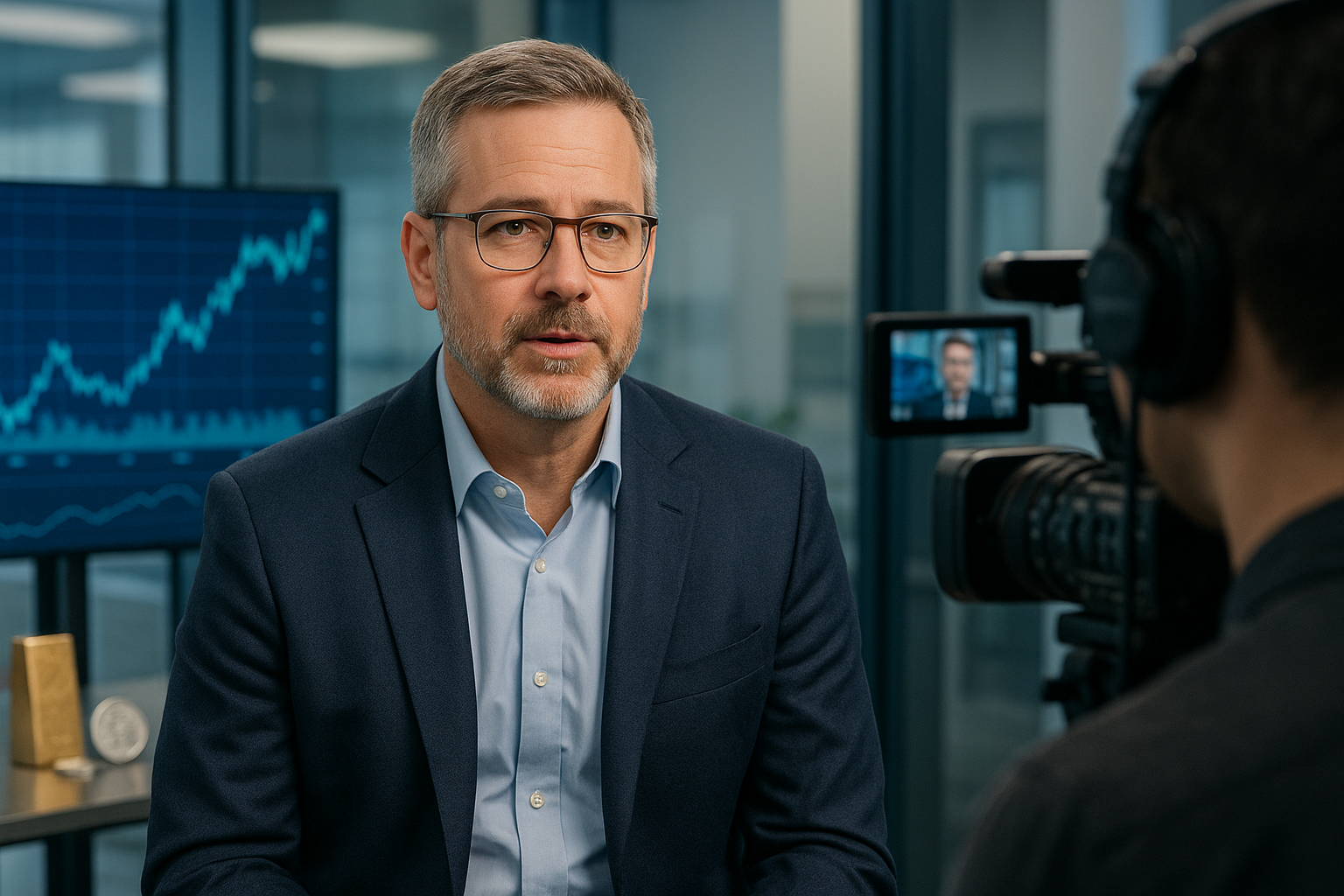
As economic uncertainties continue to shape investor sentiment in 2025, discussions around currency stability and alternative investments have intensified. A recent interview with Collin Plume, CEO of Noble Gold Investments, addresses critical concerns surrounding potential dollar weakness, quantitative easing policies, and the corresponding impact on precious metals markets.
The conversation comes at a time when global monetary policies remain under intense scrutiny, with investors seeking clarity on portfolio protection strategies amid evolving economic conditions.
Economic Context: QE and Currency Concerns
Quantitative easing (QE) policies have been a cornerstone of central bank strategy since the 2008 financial crisis, involving large-scale asset purchases to inject liquidity into financial systems. However, these expansionary monetary policies have raised long-term questions about currency debasement and inflation risks.
The potential for renewed or expanded QE measures in 2025 has captured investor attention, particularly given persistent economic challenges and geopolitical tensions. Historical data shows that periods of aggressive monetary expansion often correlate with increased interest in precious metals as portfolio hedges.
Currency stability concerns extend beyond domestic policies, as global trade dynamics, debt levels, and international monetary coordination continue to influence dollar strength. These factors create a complex investment environment where traditional safe-haven assets gain renewed relevance.
Precious Metals Investment Landscape
The precious metals market encompasses gold, silver, platinum, and palladium, each serving different industrial and investment purposes. While gold traditionally receives the most attention as a store of value, platinum has emerged as a focal point due to its unique supply-demand dynamics and industrial applications.
Platinum's role in automotive catalytic converters, hydrogen fuel cells, and various industrial processes creates fundamental demand drivers beyond its monetary properties. Supply constraints, primarily from South African and Russian mining operations, add another layer of market dynamics that investors must consider.
Silver occupies a middle ground, combining monetary properties with extensive industrial applications in electronics, solar panels, and medical devices. This dual nature often leads to more volatile price movements compared to gold.
Investment Implications and Portfolio Strategy
For investors evaluating precious metals exposure, several key factors warrant consideration. Portfolio diversification benefits have historically been a primary driver, as precious metals often exhibit low correlation with equity and bond markets during periods of stress.
Inflation protection represents another critical consideration, as precious metals have traditionally maintained purchasing power over extended periods. However, shorter-term performance can vary significantly based on real interest rates, currency movements, and market sentiment.
Storage and custody considerations also play important roles in precious metals investing. Physical ownership, ETF exposure, and mining company investments each present different risk-return profiles and practical considerations for implementation.
Market Timing and Economic Indicators
Timing precious metals investments requires careful analysis of multiple economic indicators. Real interest rates, currency trends, inflation expectations, and geopolitical developments all influence precious metals pricing.
Central bank policies remain paramount, as shifts in monetary stance can rapidly alter investment flows between asset classes. The Federal Reserve's approach to interest rates and balance sheet management directly impacts precious metals attractiveness relative to yield-bearing alternatives.
Global economic growth patterns also matter, particularly for industrial metals like platinum and silver. Economic expansion generally supports industrial demand, while contraction may emphasize monetary and safe-haven characteristics.
Key Takeaways
Precious metals continue to serve important portfolio functions amid ongoing monetary policy uncertainties and economic challenges. While timing and allocation decisions require careful consideration of individual circumstances, the fundamental case for precious metals exposure remains relevant for many investors.
Platinum's unique positioning between monetary and industrial applications presents interesting opportunities, though investors should carefully evaluate supply-demand fundamentals and broader economic trends. As always, precious metals should be considered as part of a diversified investment strategy rather than concentrated positions.